Why Cold Climates Require the Right Siding
Homes in cold climates face unique challenges like freezing temperatures, snow buildup, ice, wind, and repeated freeze-thaw cycles. Choosing the wrong siding material can lead to cracking, moisture intrusion, higher energy costs, and ongoing maintenance issues.
Lets break down the most common siding materials used in cold regions and explain why vinyl siding consistently stands out as the most practical and cost-effective option for homeowners in colder climates.
What Makes Siding Suitable for Cold Climates?
Before comparing materials, it’s important to understand what actually matters in colder regions.
Key performance factors include:
- Resistance to cracking in freezing temperatures
- Ability to handle expansion and contraction
- Moisture resistance and drainage
- Insulation and energy efficiency
- Low maintenance during winter months
Vinyl Siding: The Best All-Around Option for Cold Climates
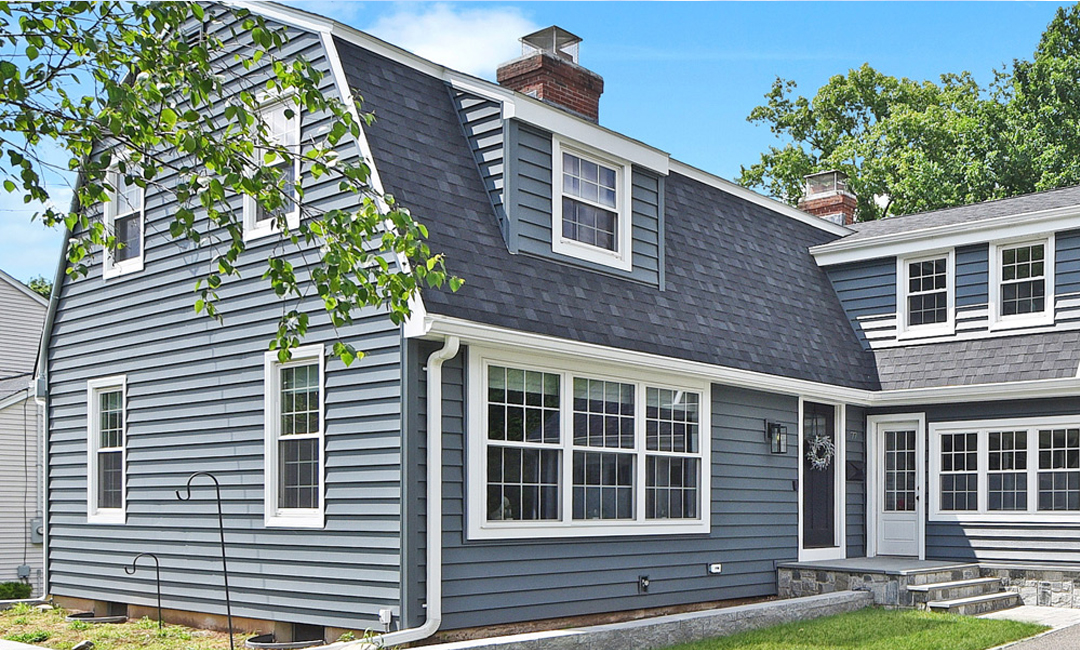
Vinyl siding has become one of the most widely used exterior materials in cold regions and for good reason.
Why Vinyl Performs So Well in Cold Weather
- Designed to flex with temperature changes, reducing cracking and warping
- Resists moisture absorption, preventing rot and mold
- Unaffected by snow and ice buildup
- Available in insulated options that improve energy efficiency
- Low maintenance, even during harsh winters
Modern vinyl siding is engineered to withstand extreme temperature swings while maintaining its appearance and structural integrity.
Vinyl Siding vs. Other Common Siding Materials
Vinyl Siding vs. Fiber Cement
Fiber Cement Pros
- Fire resistant
- Rigid and durable in moderate climates
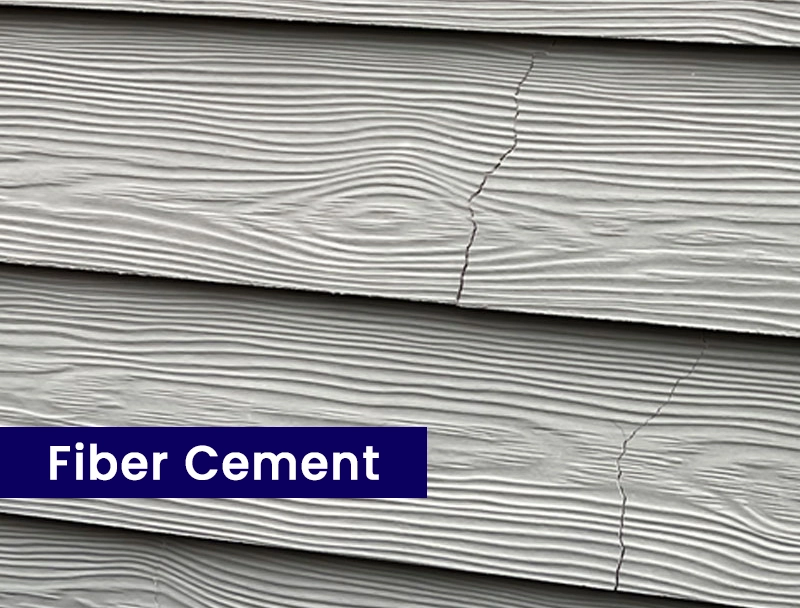
Fiber Cement Cons in Cold Climates
- Can crack during freeze-thaw cycles
- Heavier material increases installation complexity
- Requires regular repainting
- Higher installation and long-term maintenance costs
Why Vinyl Wins
Vinyl flexes naturally with temperature changes, while fiber cement remains rigid—making vinyl more forgiving and durable in cold conditions.
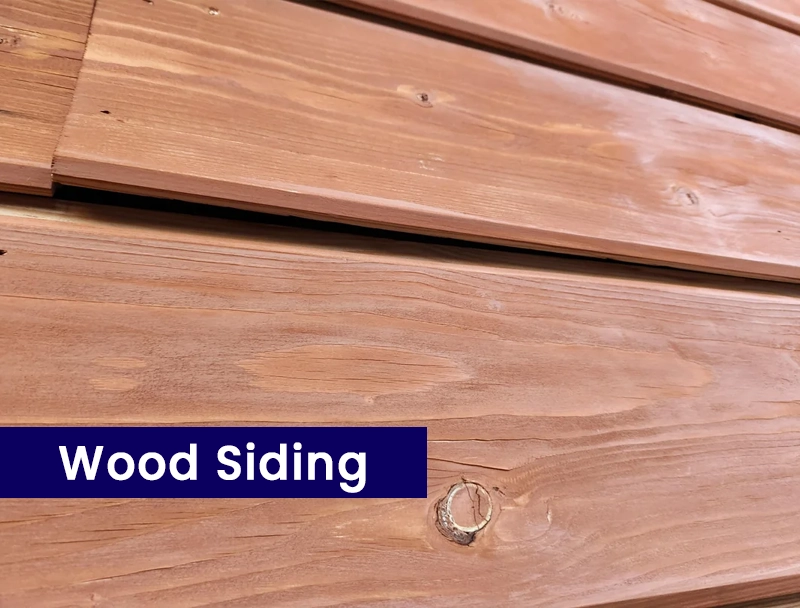
Vinyl Siding vs. Wood Siding
Wood Pros
- Customizable finishes
- Natural appearance
Wood Cons in Cold Climates
- Highly susceptible to moisture, rot, and pests
- Requires frequent painting or staining
- Can warp or split during freeze-thaw cycles
- Higher long-term maintenance costs
Why Vinyl Wins
Vinyl offers the look of wood without the moisture issues, upkeep, or winter damage risk.
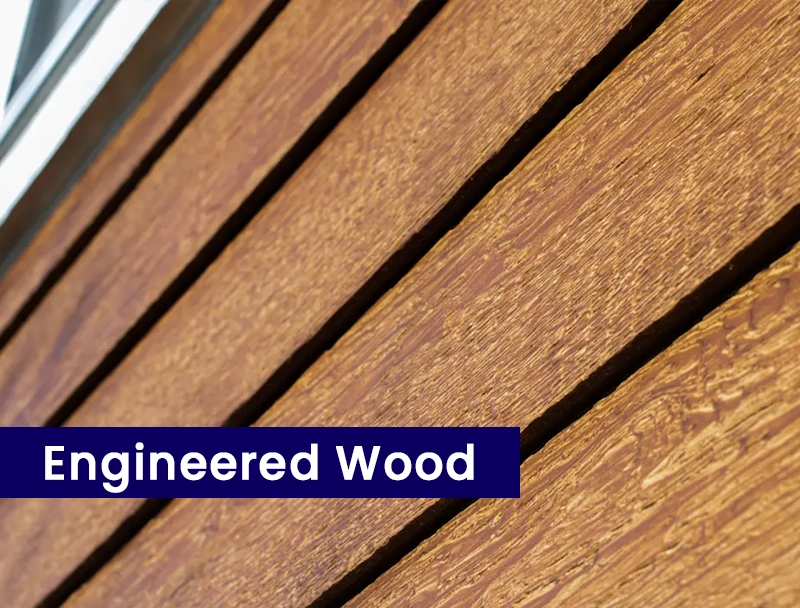
Vinyl Siding vs. Engineered Wood
Engineered Wood Pros
- Improved moisture resistance compared to traditional wood
- More uniform appearance
Engineered Wood Cons in Cold Climates
- Still vulnerable to moisture if seams are compromised
- Requires ongoing maintenance
- Typically more expensive than vinyl
Why Vinyl Wins
Vinyl requires less maintenance, costs less over time, and performs more consistently in extreme cold.
Energy Efficiency: How Vinyl Siding Helps Lower Heating Costs
Cold-climate homeowners often underestimate the impact siding has on energy efficiency.
Insulated Vinyl Siding Benefits
- Adds an extra thermal barrier
- Reduces drafts and cold spots
- Helps stabilize indoor temperatures
- Can lower heating costs during winter months
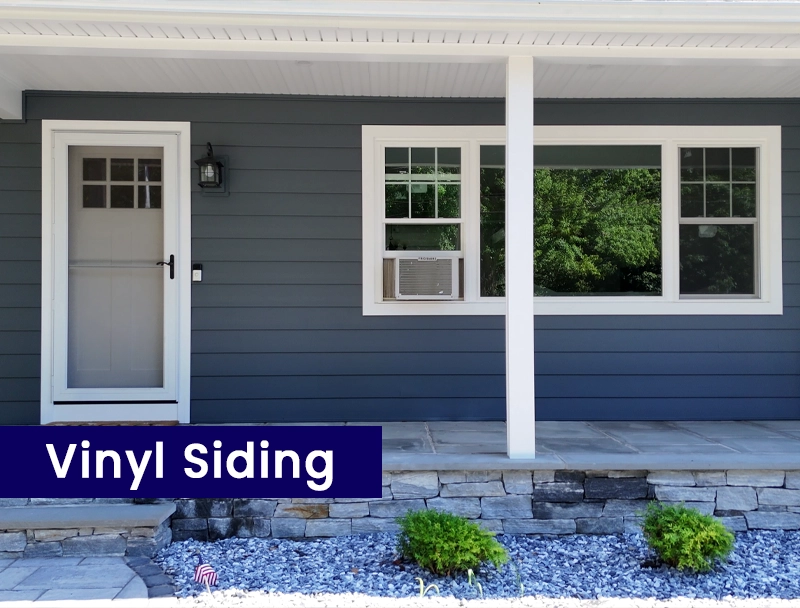
When paired with proper house wrap and insulation, vinyl siding contributes meaningfully to a more energy-efficient home envelope.
Durability and Maintenance in Winter Conditions
One of vinyl siding’s biggest advantages in cold climates is what you don’t have to do.
- No scraping or repainting
- No sealing or staining
- Simple cleaning with mild soap and water
- Resistant to salt spray and snowmelt runoff
This makes vinyl siding especially appealing for homeowners who want long-term durability without constant upkeep.
Aesthetic Options That Work Year-Round
Modern vinyl siding offers:
- A wide range of colors that won’t peel or fade
- Styles that mimic wood, board-and-batten, or shake siding
- Trim and accent options for a custom look
This allows homeowners to improve curb appeal without sacrificing cold-weather performance.
Is Vinyl Siding Right for Your Home?
Vinyl siding is an excellent choice for homeowners who want:
- Reliable performance in cold climates
- Lower upfront and long-term costs
- Minimal maintenance
- Improved energy efficiency
- Long-lasting curb appeal
While no siding material is perfect for every home, vinyl consistently checks the most boxes for cold-weather durability and value.
Final Thoughts
Choosing the best siding for a cold climate isn’t just about appearance, it’s about performance, protection, and peace of mind. Vinyl siding continues to be the go-to solution for homeowners who want a dependable exterior that can handle winter after winter with minimal maintenance.
If you’re considering siding replacement, working with an experienced contractor ensures proper installation, insulation, and long-term results, especially in cold climates. Reach out to us for a free consultation